
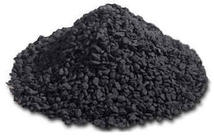
Coal is a fossil fuel formed in swamp ecosystems where plant deposits were saved by water or mud from oxidization and biodegradation. Coal is a sedimentary, organic rock, which is mainly composed of carbon, hydrogen, oxygen, nitrogen and varying amounts of sulphur.

Coal is extracted from the ground by mining, either underground or open pit mining.
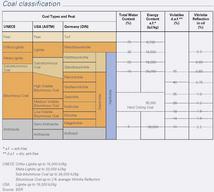
According to the geological characteristics, dead matters are successively transformed into the different types of coal:
- Peat is considered to be a precursor of coal.
- Lignite, also referred to as brown coal, is the lowest rank of coal and mostly used for power generation.
- Sub-bituminous coal, whose properties range from those of lignite to those of bituminous coal is used primarily for power generation.
- Bituminous coal, a dense coal, usually black, often with well-defined bands of bright and dull material, is supplied for many different uses. Steam or thermal coal is used primarily as a fuel for power generation, with large quantities also used for heating and industrial applications. For steel making, coking or metallurgical coal is used as, after coking, it can support the charge of iron ore and limestone in a blast furnace.
- Anthracite, the highest rank; a harder, glossy, black coal used primarily for the heating of residential and commercial buildings.
The classification of coal is generally based on the content of volatiles. However, the exact classification varies between countries. For example, “hard coal” is a term used in Europe that includes all types of coal except peat and ortho-lignite.
The term “solid fuels” refers to all of the above and also to oil shale, a sedimentary rock that can be mined and used like coal for power generation as well as for the production of oil products.
 powering transition in Europe