


Jastrzębie-Zdrój, Poland, 15 May 2025
Agenda
Presentations (single file)
Printer-friendly report (this webpage)
Summary
Held in the Carbonarium, a modern educational and technological centre in Jastrzębie-Zdrój, this high-level, international conference focused on the future of coal regions in Europe, bringing together policymakers from the European Commission, ministers and officials from the Polish government, mining company executives, research scientists and partners from projects funded by the EU Research Fund for Coal and Steel (RFCS). This fund supports research that benefits the coal and steel sectors, aligning with the European Green Deal. The conference focused on the reduction of methane emissions from coal mines and the repurposing of post-mining infrastructure.

The meeting, organised by EURACOAL and the European Research Executive Agency (REA), was hosted by Jastrzębska Spółka Węglowa S.A. (JSW) – Europe’s largest producer of coking coal and a leader in transformation activities in the mining sector based on the application of modern technologies such as those related to methane presented at the conference.
With the generous support of the Polish Minister of Industry, the conference was held under the auspices of the Polish presidency of the EU. Several fascinating research projects were presented, from methane control in mines to site repurposing after mining. The REM and ProVAM projects are ambitious: the first hopes to reduce methane emissions from old workings at source, before methane can escape and cause problems elsewhere. ProVAM focuses on reducing methane in mine ventilation air and benefits from Poland’s unique Experimental Mine Barbara where testing can be carried out in conditions that mimic an operational mine. Reducing ventilation air methane (VAM) is no easy task, and it was clear from the expert panel discussion that much development work is still needed. Challenges must be overcome to make VAM systems economically viable.

The Director General of Research and Innovation at the European Commission, Marc Lemaître, spoke in a video message about making sure the RFCS lives up to all its promises in the years ahead. The insights from RFCS project partners at the conference showed that many promises were already being delivered. The Director of the European Research Executive Agency, Marc Tachelet, was gracious about the role coal and steel have played in shaping the European continent and the continuing role both industries can play. Here, the sustainable and prosperous future he envisaged is what the coal regions seek from the RFCS and other EU initiatives such as the Just Transition Fund.

Leszek Pietraszek, Vice-Marshal of the Silesian Voivodeship, explored the regional situation in his keynote address. Presentations covered the repurposing of coal mines developed within two projects: GI-mine and GreenJOBS. Participants were honoured to hear from Her Excellency Navaan-Yundengiin Oyundari, Ambassador of Mongolia to Poland, as the Mongolian Coal Association is a partner in the GI-mine project. This deals with the sustainable and intelligent management of mining wastes, enormous quantities of which exist across Europe and indeed the world. The GreenJOBS project addresses the changes occurring in the Polish coal industry where there is a need for guidelines on mine closure to ensure a transition with new jobs. Panellists on this topic brought a wealth of experience from the European Commission’s Coal Regions in Transition Initiative, as well as from those in Poland who have heavy responsibilities for coal industry restructuring and regional development. They all agreed that there are no tried-and-tested solutions – every coal mining region has faced unique challenges depending on its location, geology, history and public support. In his video message, the Director General for Research highlighted the Just Transition Fund and pointed to the €3.8 billion allocated to the Polish coal regions. Projects funded by the RFCS cannot match this allocation, but they do complement it by supporting much-needed research and development.

As well as the results from well-advanced RFCS projects, several new projects were presented: MEMO, METH2GEN, RAISING and COFA. Well aligned with EU policy objectives, they address topical areas of research. At future dissemination events, REA and EURACOAL hope to showcase these and other successful RFCS projects. “We don’t turn away from the past, but we are turning it into the future. Europe needs the knowledge that the mining regions have, and the Research Fund for Coal and Steel is the bridge between industrial heritage and green innovation”, said the President of EURACOAL, Alicja Krzemień.
Keynotes
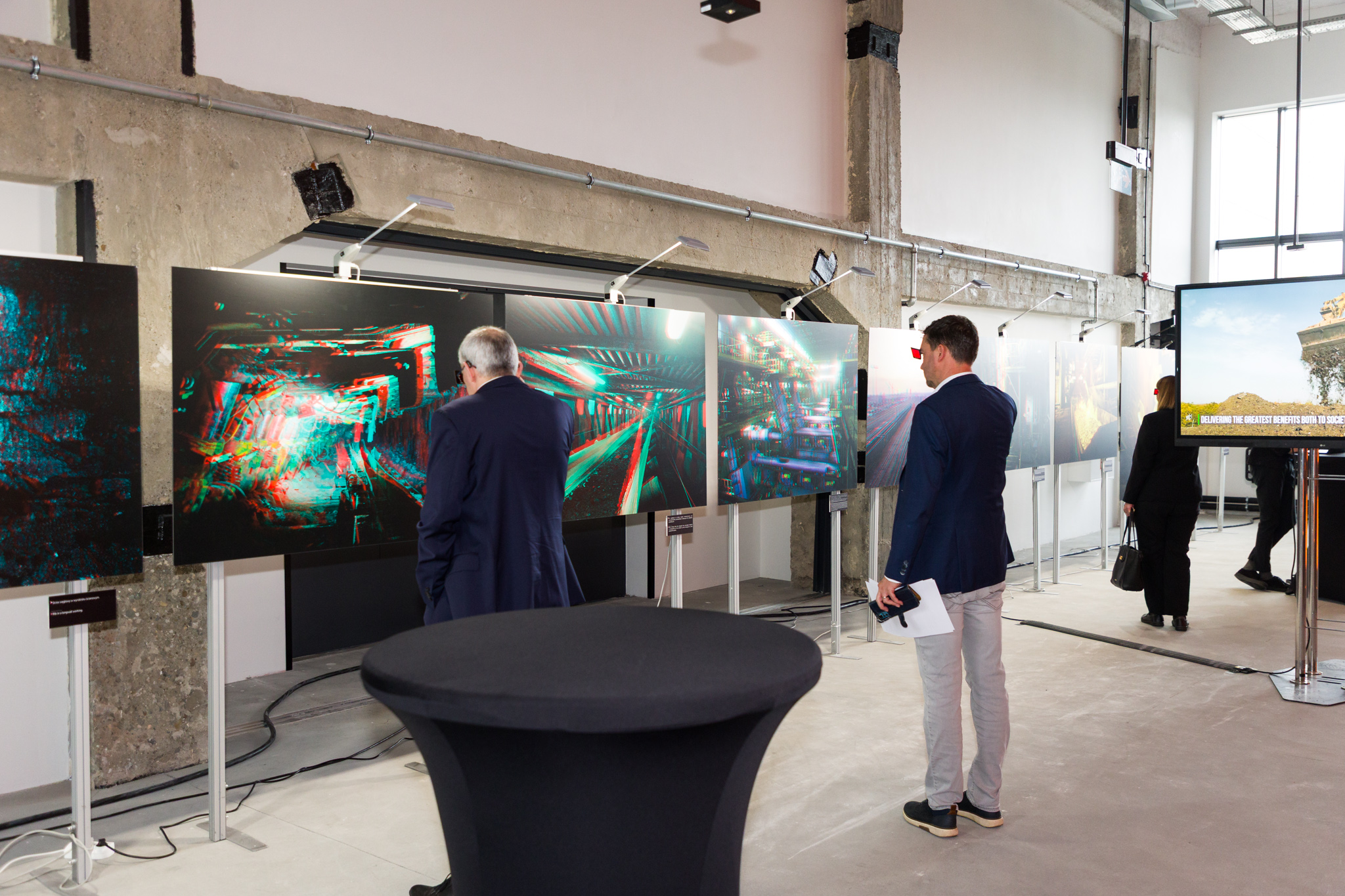
The master of ceremonies, Marcin Madzia, opened the conference, welcoming especially the delegates from Belgium, Mongolia, Germany, France, Spain, Colombia, and the USA, before introducing the keynote speakers. During the breaks, he invited guests to tour the 3D images of steelmaking, visit a virtual reality mine, and enjoy the photo exhibition.
Mr. Ryszard Janta, President of Jastrzębska Spółka Węglowa S.A. (JSW)
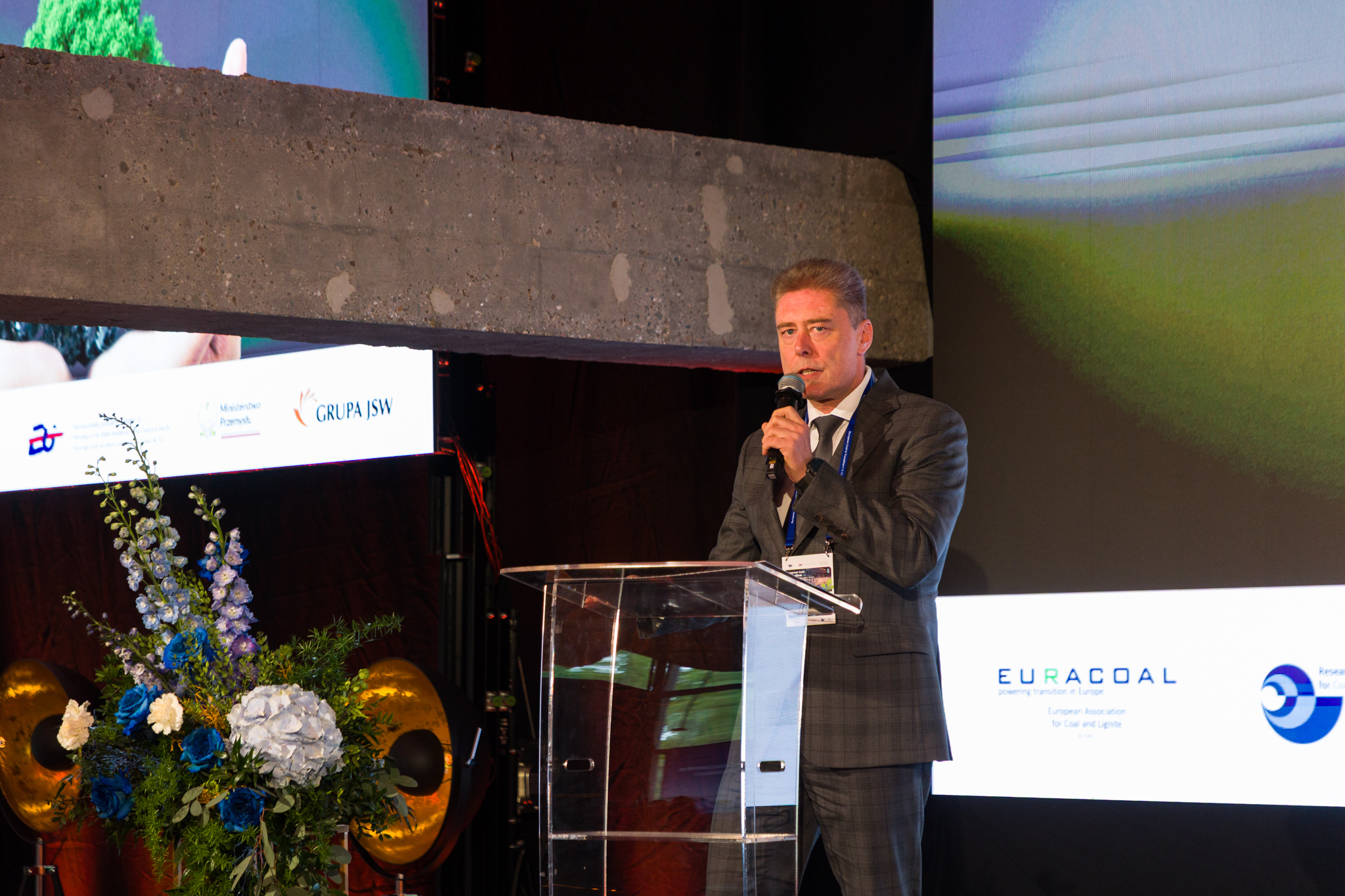
Ryszard Janta welcomed honourable and distinguished guests to Jastrzębie-Zdrój, capital of the Polish coking coal industry. The conference, he said, would address topics of importance not only for Silesia but for the whole European Union. “As a co-organiser of this event, I am glad that we can talk together about the challenges and the future of the mining sector, especially in the context of raw material security in Europe,” he said. “Today, JSW is the largest – and soon will be the only one – producer of coking coal in the European Union. This coal, also known as metallurgical coal, was included in the list of 34 critical raw materials for the EU economy. Without coking coal, it is impossible to make steel, and without steel, we can do nearly nothing.”
A stable supply of coking coal was vital, he continued, whilst at the same time taking steps to protect the environment. Here, the biggest challenge was methane, he explained, accounting for almost 75% of JSW’s carbon footprint. For this reason, the company has an ambitious €100 million methane emissions reduction programme with the aim of capturing 50% of the methane released during mining and using 95% of this captured methane by 2027. He expected the knowledge and experience from projects presented at the conference to have global application. Later in the conference, he was pleased that issues related to transition would be addressed. He cited the Carbonarium itself as an excellent example of transformation. Overall, he looked forward to hearing about research projects making tangible impacts on the future of the coal industry, the environment, and the European continent.
Prof. Marzena Czarnecka, Minister of Industry

The Polish Minister of Industry, Marzena Czarnecka, under whose auspices the conference was held, spoke about the need for a responsible transformation of the coal industry in Silesia – a region close to her heart with fantastic people and rich traditions. She welcomed the many women present from a male-dominated industry.
The minister recalled last year’s 40th anniversary of the 1984-85 miners’ strike in the UK and believed Polish politicians would better respect Polish coal miners as the industry is pushed towards a green transition. For producers of coking coal and coke, she was more positive about the future than for steam coal producers such as Polska Grupa Górnicza S.A. (PGG) which faced difficulties. She hoped that coal market prices would move favourably, back to the top of a cycle. Ms. Czarnecka called on everyone to think about how the coal industry’s transition can be made without repeating the disasters of the past when, twenty to thirty years ago, coal mines were closed overnight with lasting social consequences. She sought a just transition that was good for society, bringing new industries to Silesia. She anticipated an announcement on this from Prime Minister Tusk. A special law for the coal industry was in preparation, she reported, which would mean a “soft transition for everybody involved”, favouring the needs of mineworkers over management boards.
Turning to methane, Minister Czarnecka spoke about the pros and cons of the EU Methane Regulation; she was working to make it as friendly as possible for coal companies with special features that avoid heavy costs, if not its obligations. She invited feedback from the industry to avoid any misunderstandings.
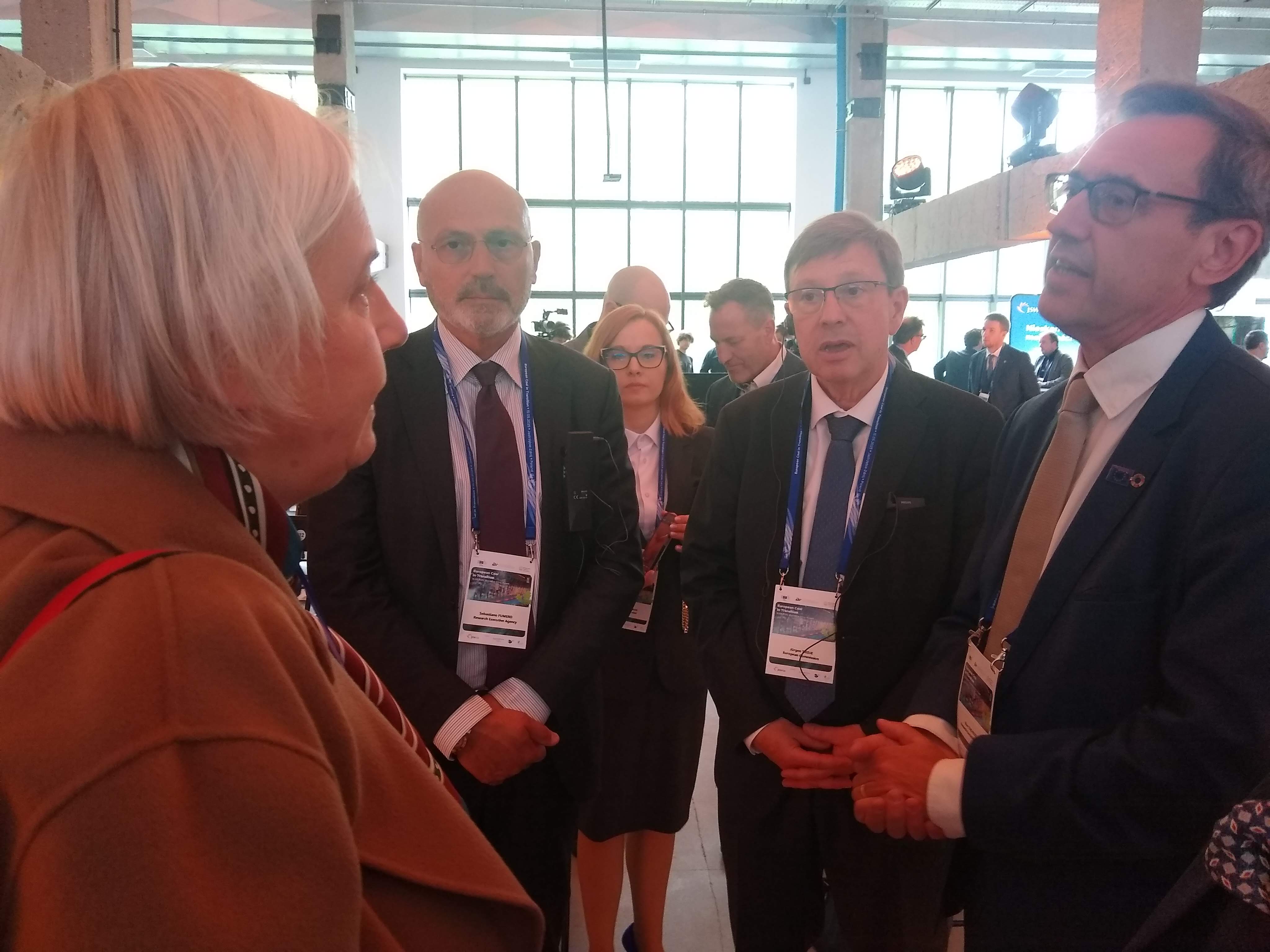
On national energy policy, she remarked that the shift away from coal to nuclear did not mean other sources would not be required, including fossil fuels which, she said, would remain an important source of energy for some time to come. Hence, research would still be required into all forms of energy, she concluded.
Mr. Leszek Pietraszek, Vice-Marshal of the Silesian Voivodeship
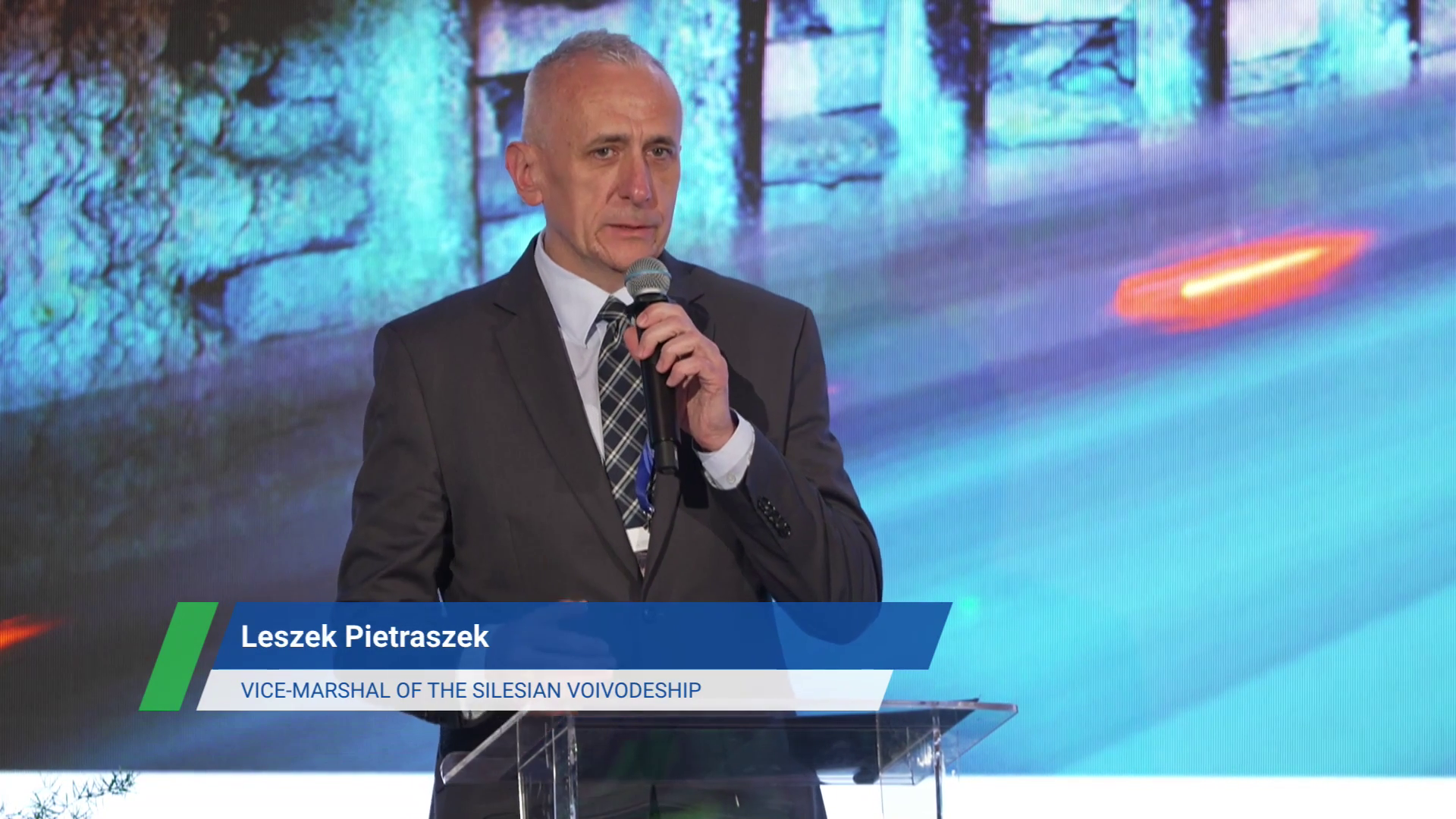
Vice-Marshal of the Silesian Voivodeship, Leszek Pietraszek, congratulated the organisers for hosting the meeting in the region’s capital where expert participants could come together to discuss important topics. As a former executive in the coal industry, he understood the need for evolution and the future development of Silesia as the EU decarbonisation agenda is pursued. He reflected on the changes over the last fifty years, during which time coal industry employment in Silesia had fallen from over 400 000 to 70 000. Seven of Silesia’s eight subregions were affected by this transition, he noted, and one-third of its 167 communes (gminas). Mr. Pietraszek remarked that the policy of his administration is not to walk away from coal mining, but rather to build on and perfect the successful transformation already seen in Silesia, drawing on the experiences of other regions of the world that have faced similar transformations. With a low unemployment rate of 4%, half a million private enterprises, many universities, and several research institutes, he believed the Silesian region was well placed to deal with the challenges of a declining coal industry. He was pleased that EURACOAL, under the leadership of President Krzemień, was taking an active role in shaping the industry’s future while ensuring the country’s energy security.
Mr. Marc Lemaître, Director-General, European Commission DG Research & Innovation

The Director-General for Research and Innovation, Marc Lemaître, thanked the Polish-EU presidency for facilitating the event in Jastrzębie-Zdrój just a few days after Europe Day, on 9 May, to celebrate Robert Schuman’s proposal of 1950 to establish the European Coal and Steel Community for peace and prosperity. Today, he continued, the Research Fund for Coal and Steel supports industrial transition in the coal regions as the EU moves to climate neutrality. The Director-General spoke positively about the range of projects supported at former coal mines and power plants, some reaching a technology readiness level (TRL) of 8. The fund complements the €7.5 billion Just Transition Fund and here he pointed to the €3.8 billion allocation to Polish coal regions. Mr. Lemaître wished participants a successful event and encouraged applications to the RFCS’s two annual calls, including the “big-ticket” calls under which €36.6 million had been awarded since 2021.
Mr. Marc Tachelet, Director of the European Research Executive Agency

Marc Tachelet, Director of the European Research Executive Agency and responsible for the Horizon Europe programme, spoke about the unique role of the RFCS in supporting research and innovation projects that help facilitate the just transition of the coal sector and reduce its environmental impacts. This, he said, was consistent with the scientific, technological, and political objectives of the EU, notably the European Green Deal. Here, he mentioned other strategic initiatives aimed at a low-carbon industry that benefits all, e.g. the Just Transition Mechanism and the Sustainable Europe Investment Plan. Mr. Tachelet believed the RFCS was facilitating the orderly phase-out of coal by creating sustainable opportunities, allowing the coal regions to prosper. A current portfolio of thirty coal projects worth around €80 million had been supported since 2021, he said. These and innovative new projects would all help towards a just and equitable transition to a low-carbon economy that is sustainable and prosperous for all, he concluded.
Prof. Alicja Krzemień, President of EURACOAL

On behalf of EURACOAL, President Krzemień thanked all the keynote speakers for joining the conference to share their unique perceptives and observations. She was especially delighted that the event was being held under the patronage of the Ministry of Industry and had attracted members of the Polish Parliament (Sejm) as well as many from industry. The aim, she said, was to demonstrate how EU and national funds were being used to make positive impacts in the mining sector. The management of methane emissions affected all mining companies, so co-operation on research was vital, she added. Turning to EU policy, she outlined the current policy initiatives that would influence the research agenda and regional development. The European Green Deal would remain, with new greenhouse gas reduction targets. At the same time, the Affordable Energy Action Plan and the Clean Industrial Deal would address the competitiveness challenges faced by the EU. Clean technologies would be central, she explained, featuring renewables, energy storage, hydrogen, and carbon capture and storage, as well as ensuring access to critical raw materials. Here, she announced a new RFCS project called CRMsDataSpace that aims to map the potential to recover such materials from tens of thousands of former mine sites in the EU – meeting one of the requirements of the Critical Raw Materials Act.
  On EURACOAL, she remarked on the association’s recent strategic shift to focus on “powering transition in Europe”, with tasks on reliable energy, recultivating land, repurposing sites, reducing methane and research for the future. She was pleased that the Vice-Marshall had recognised this clear alignment with EU policy as a positive step. Following a successful conference in 2024 in Oviedo, Prof. Krzemień looked forward to fruitful discussions in Jastrzębie-Zdrój, as well as the next RFCS dissemination event in 2026.
Session 1 – Methane mitigation strategies at EU coal mines
A key item on the conference agenda was a presentation of the REM project, carried out at Jastrzębska Spółka Węglowa S.A. with record EU financing for activities related to reducing methane releases from post-mined areas (goafs). “At JSW, we’re implementing a comprehensive Methane Emission Reduction Programme covering all our mines. Our goal is not only to increase the efficiency of demethanisation, but also to maximise the use of captured methane for power production. These investments total hundreds of millions of złotys and is why the EU support we received for the REM project is crucial for us”, said Adam Rozmus, Deputy President for Technical and Operations at JSW.
REM – “Reduction of methane emissions from post mining goafs to minimise their inflow into Ventilation Air Methane”
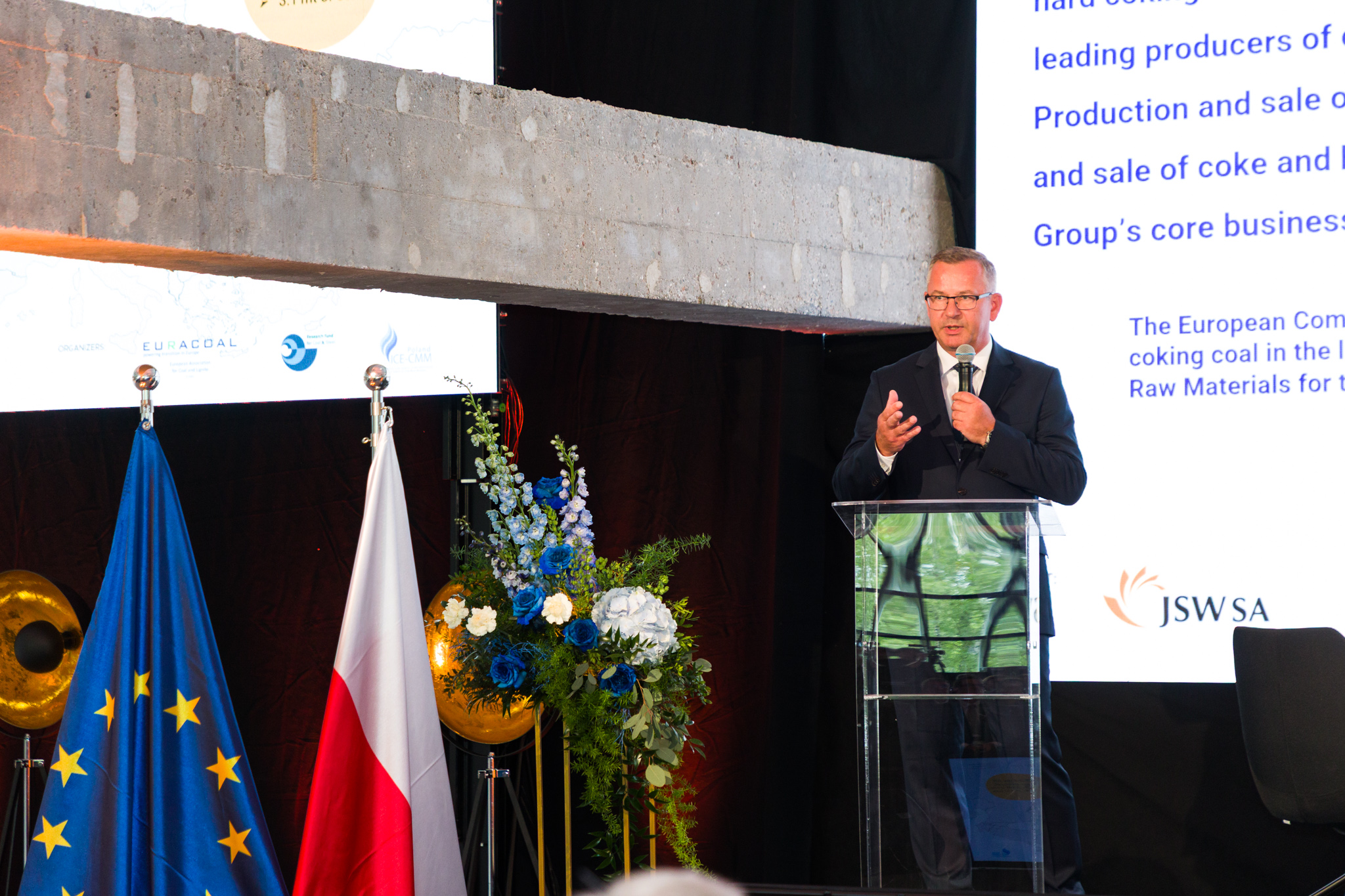
Artur Badylak, Director of the Methane Drainage Office at Jastrzębska Spółka Węglowa S.A. (JSW), presented his company, the largest coking coal producer in the EU. In 2024, JSW’s four mines produced 12.3 million tonnes of coking coal – a critical raw material for steel production. The company also produced 3.1 million tonnes of coke from coke ovens at three sites. Turning to methane, he reported that of the 382 million cubic metres released during mining in 2024, 145 Mm3 were captured and 91 Mm3 were used for heat and power generation. Given the safety and environmental issues, Mr. Badylak outlined JSW’s methane strategy to capture 50% of releases by 2027 and use 95% of this economically. In this way, JSW would be on track to reduce its carbon footprint by 30% by 2030 and achieve climate neutrality by 2050. Several projects to deliver this strategy have been co-funded by the EU, including MASTERMINE, REM, ProVAM and the new METH2GEN project.
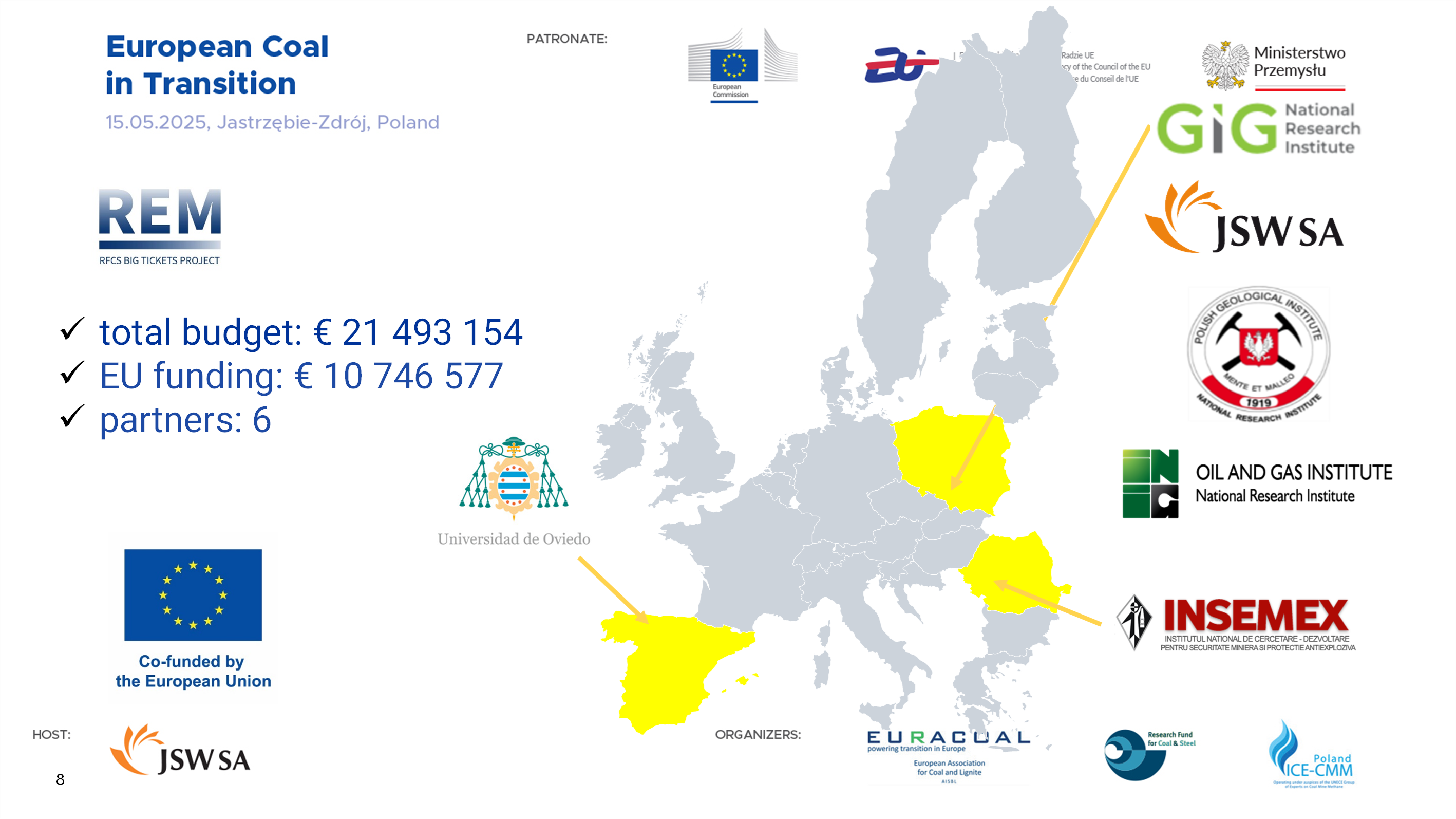
The €21.5 million REM project aims to reduce methane releases from post-mining goafs and so minimise their inflow into mine ventilation air, thus reducing emissions of ventilation air methane (VAM) to the atmosphere. Based at the Pniówek mine with an annual output of around three million tonnes, the REM project tackles the inflow of methane from worked out areas of the mine, of which there are many following the extraction of over 150 million tonnes of coking coal since 1963 when construction of Pniówek mine began. Unfortunately, the methane captured from these areas has a concentration of 20-30% whereas the existing engines used for power generation require at least 40%. Separate pipework and a drainage plant have been designed and will be built to make use of the lower-concentration methane. The plant, located on the surface near shaft no. 5, has planning permission and an invitation to tender for equipment has been published. Also part of the project is the mapping of goaf areas, sealing using selected materials where needed based on gas-tightness analyses, and the directional drilling of twenty boreholes from selected locations to precisely extract gas. By 2027, Mr. Badylak expected that 14 Mm3 of methane would have been captured to generate 50-60 GWh of electricity annually.
ProVAM – “Reduction of Ventilation Air Methane Emissions in the Coal Mining Transformation Process”

Dr. Jacek Skiba, Senior Research and Development Expert in the Mining Aerology Department at the Central Mining Institute (GIG-PIB), outlined the encouraging results already achieved by the ProVAM project. He defined ventilation air methane (VAM), noting that it typically accounts for 70% of the methane released during mining, becoming mixed with air and vented to atmosphere for safety reasons via mine roadways and shafts at very low concentrations. Technologies exist to capture and use or destroy this methane, he said, but these are not widely adopted and face four main challenges:
- variable VAM flow rates (10 000 to 20 000 m3/min), like a strong wind;
- low methane content (well below statutory safety limits and typically below 0.5%);
- high humidity (>90%) and sulphur; and
- dust load (coal, limestone and sand) which can lead to the formation of ash in oxidisers.
Pro-VAM tackles these challenges, Dr. Skiba explained, by verifying numerical modelling and simulations of an installation at Experimental Mine Barbara at Mikołów. If successful, the solution developed during the project could be applied to the 41 ventilation shafts at the 23 deep mines remaining in the EU, he concluded, and allow mines to meet the requirements of the EU Methane Regulation.
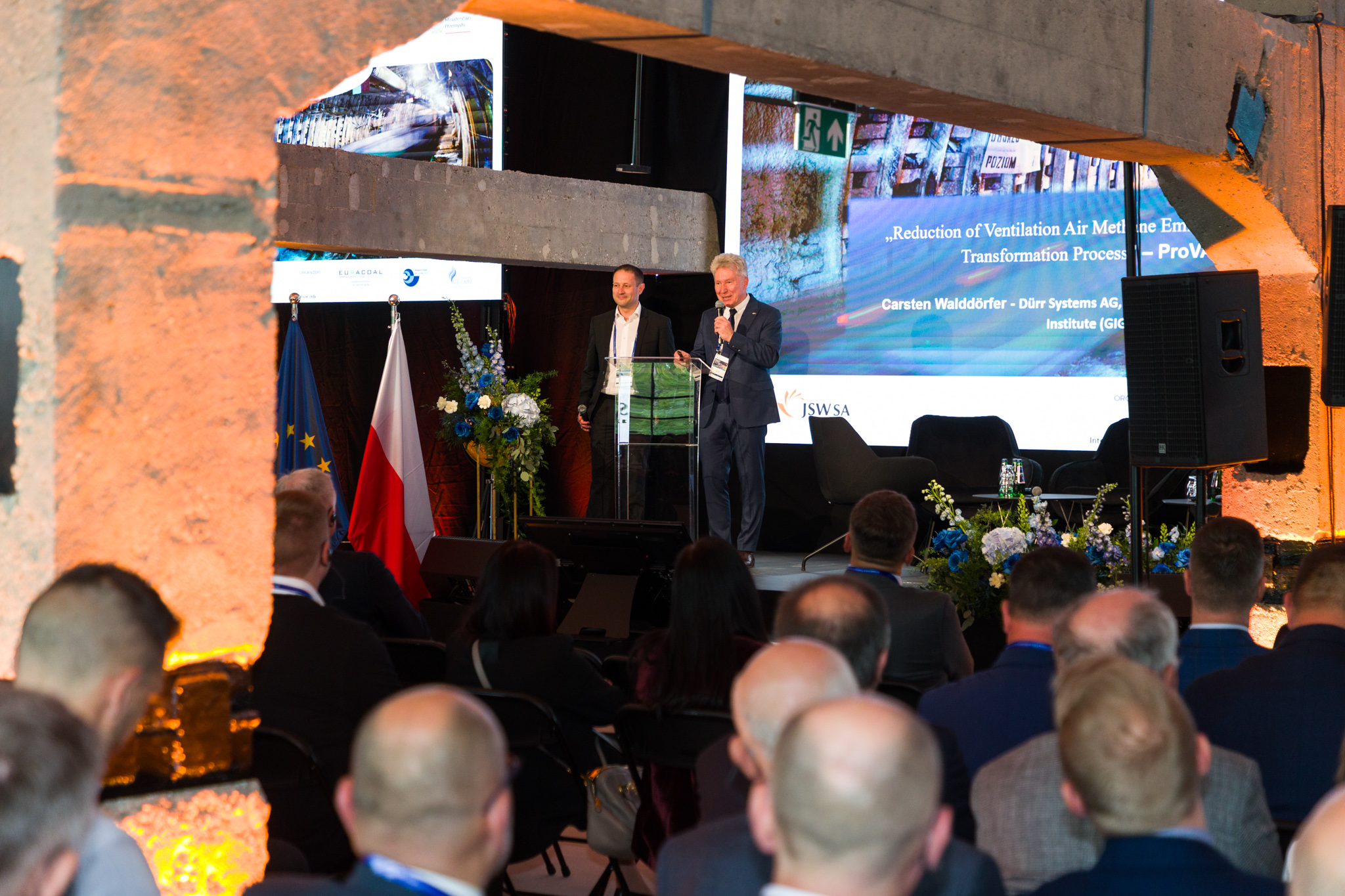
Mr. Carsten Walddörfer, Team Lead R&D and Product Manager at Dürr Systems AG, outlined his company’s range of oxidisers using different processes to convert methane: thermal oxidation, catalytic oxidation, and direct firing, with some processes having the option to recover useful heat. For the treatment of low-concentration VAM, Dürr offers two processes: the high thermal efficiency Vocsidizer (Oxi.X RV VAM) with electric heating for flameless oxidation; and Oxi.X RE VAM where additional fuel is used for heating (e.g. gas from the mine’s methane drainage system). The latter is installed in China at the Gaohe mine in Shanxi Province to treat one million standard cubic metres of methane annually and generate electricity from the combustion heat. Such installations are large and costly, Mr. Walddörfer added. From June 2025, the Pro-VAM project aims to test a pilot-scale Vocsidizer under the various conditions found at Polish mines so that the design of full-scale plants can be optimised.
Panel discussion on methane management
Jürgen Tiedje, Head of Unit for Industrial Transformation at the European Commission DG Research & Innovation, led a panel discussion on how RFCS projects will help implement the new Methane Regulation (EU) 2024/1787 and move the EU towards its target of reducing net greenhouse gas emissions by at least 55% by 2030. Dinko Raytchev from the Methane Strategy Team at the European Commission DG Energy explained that the regulation, which came into force in August 2024, is one of the world’s most ambitious and comprehensive regulatory frameworks for methane. He said it can be broken down into four important topics: monitoring and reporting, reduction of emissions, improved transparency, and a push for energy exporters to the EU to take similar steps. Overall, the regulation would allow industry to visibly contribute to the EU’s decarbonisation policy and the societal climate challenge, he concluded.
As President of the Polish State Mining Authority (WUG), Piotr Litwa shared his views on implementation and enforcement of the Methane Regulation for which his authority is officially responsible. He noted that the EU regulation must be directly applied in Poland, although this would require new national regulation which his authority was preparing in consultation with stakeholders. Most difficult, he continued, was the preparation of a regulatory impact assessment. On the numerous fines and penalties, Mr. Litwa noted that the biggest difficulty was to determine these for excessive emissions at non-coking coal mines using harmonised standards. A first working group meeting was held on 30 April with experts from industry and research institutes. A second meeting will follow in September when there would be a deeper discussion on penalties.
Jarosław Zagórowski, Director of the Central Mining Institute (GIG-PIB), explained the process followed by the working group to interpret the new Methane Regulation with reference to the conditions found in Poland, including at the huge number coal mines and gas wells that have been closed or abandoned since 1954. Mr. Zagórowski said that new measurement methodologies were being considered. He was thankful that WUG was fully engaged in the process.
Mr. Tiedje asked how the REM project would help with implementing the regulation. Artur Badylak, Director of the Methane Drainage Office at JSW, replied positively, noting firstly that emission limits for coking coal mines were yet to be specified. However, he said progress was being made at JSW since 2022 to achieve its own methane reduction target to capture 50% of emissions by 2027. Methane drainage plants were being upgraded and new pipelines installed along with intelligent metering, he added. Concerning REM, he explained that once proven at Pniówek mine, the techniques would be replicated at other mines and were likely to be economically viable with the generation of heat and power. Similarly, results from MASTERMINE and other RFCS projects allow better monitoring and control of methane flows underground by mineworkers themselves. In the case of ProVAM, Mr. Badylak was more cautious as VAM projects required some form of financial support.

Mr. Tiedje invited partners in two new RFCS projects to present how their work would contribute to implementation of the Methane Regulation. Hafid Baroudi, Director at the Institut national de l’environnement industriel et des risques (INERIS), introduced MEMO – “Methane monitoring of abandoned coal mines” which in France is the responsibility of the government. He differentiated between methane and non-methane mines. For example, if a closed mine had become flooded, then methane was no longer emitted, he explained. Deciding exactly which of the 5 000 mine shafts in France to monitor was crucial to avoid unnecessary costs, he said, and the MEMO project would develop techniques applicable across Europe.
The METH2GEN project on “Methane to Hydrogen Conversion for Emission Reduction and Energy Generation” was presented by Renata Cicha-Szot, Head of Department of Petroleum Engineering at the Polish Oil and Gas Institute (INiG). She explained that processes to capture a larger proportion of methane and convert this to pure hydrogen were to be studied, with both safety and climate benefits in mind.
Having heard about the available technologies, Mr. Tiedje asked whether the European Commission understood their limitations. Mr. Raytchev recalled that the Methane Regulation was unique and new, so it was understandable that certain of its provisions would require further clarification. By working with the network of competent authorities (comprising 16 out of the required 27), he expected more clarity and pragmatic solutions for the coal mining companies as well as for oil and gas operators. Discussion at the first meeting in April centred around reporting templates, penalties, and importer requirements, he reported. On technologies, Mr. Raytchev noted that the regulation was “technology neutral” on monitoring and mitigation. Here, he recognised the challenges related to VAM, adding that targeted public support was envisaged in the regulation to encourage the capture of methane from ventilation air. On VAM, Mr. Zagórowski encourage imaginative thinking about the best approach which might not be large, centralised units, but smaller, distributed ones closer to the methane source underground with work on this ongoing and linked to cooling systems.
Mr. Litwa presented Poland as the best place and only place in the EU to test new methane control technologies under the new regulation. He said this would build on the years of experience the country had in monitoring and managing methane at underground mines, experience which had become even more relevant in recent years as mining companies exploited deeper seams, often with greater methane hazards. Given that the largest coal mining company, Polska Grupa Górnicza S.A. (PGG), cannot meet the regulation’s emission limits, Mr. Litwa believed that incentives, not penalties, must play a role when implementing new technologies in Poland. Others agreed that any penalties should not be punitive. On closed mines, Mr. Litwa noted the magnitude of the task to create an inventory and undertake costly monitoring, especially given the much smaller emissions from these sites compared with active mines. This led Mr. Tiedje to ask about the commercial viability of methane capture. Mr. Badylak responded positively, stating that JSW already used a growing volume of methane and generated 169 GWh in 2024 from the 40 MW of cogeneration plants installed at its sites – equivalent to 15% of JSW’s own electricity consumption – and with targets to increase this to 60 MW. However, he noted that this was a secondary activity compared with the mining of coal, so cogeneration plants had to be sized to make best use of the fluctuating methane flows from mining. At times, more methane is released than can be used, but installing larger cogeneration plants would not be economic. To address this, pipelines between mines could help to balance flows and achieve the company’s 95% utilisation target, he said. According to the Methane Regulation, the remaining 5% could be flared, but he was hopeful about other solutions under the METH2GEN project whereby mine gas could be enriched, stored and used for balancing gas supply.
Turning to closed mines, Mr. Tiedje inquired about how the monitoring obligations would be met. Mr. Zagórowski elaborated on the work in progress to identify all the sites, including the use of drones and satellite imagery.
Dr. Janusz Jureczka of the Polish Geological Institute’s Upper Silesian Branch asked about the designation of coking coal as a critical raw material in the EU, shortly followed by a Methane Regulation which will increase the costs of its production. The Commission confirmed that a delegated act would address emission limits at coking coal mines and welcomed input on abatement costs from the coking coal companies. Prof. Marek Borowski believed the regulation was timely and asked about which VAM technologies would be developed commercially to recover energy beneficially. Mr. Badylak confirmed that many projects were underway to answer this question, adding that the vast volumes of ventilation air with low methane content (typically from 0.1% to 0.4% and never more than the legal 0.75% maximum). For commercial use, a 1% concentration is required, so the techniques being studied by JSW aim to destroy the methane without using additional energy. He was keen to see incentives or credits that rewarded those who invest in such environmentally friendly technologies.
Session 2 – RFCS projects on the repurposing of coal mines
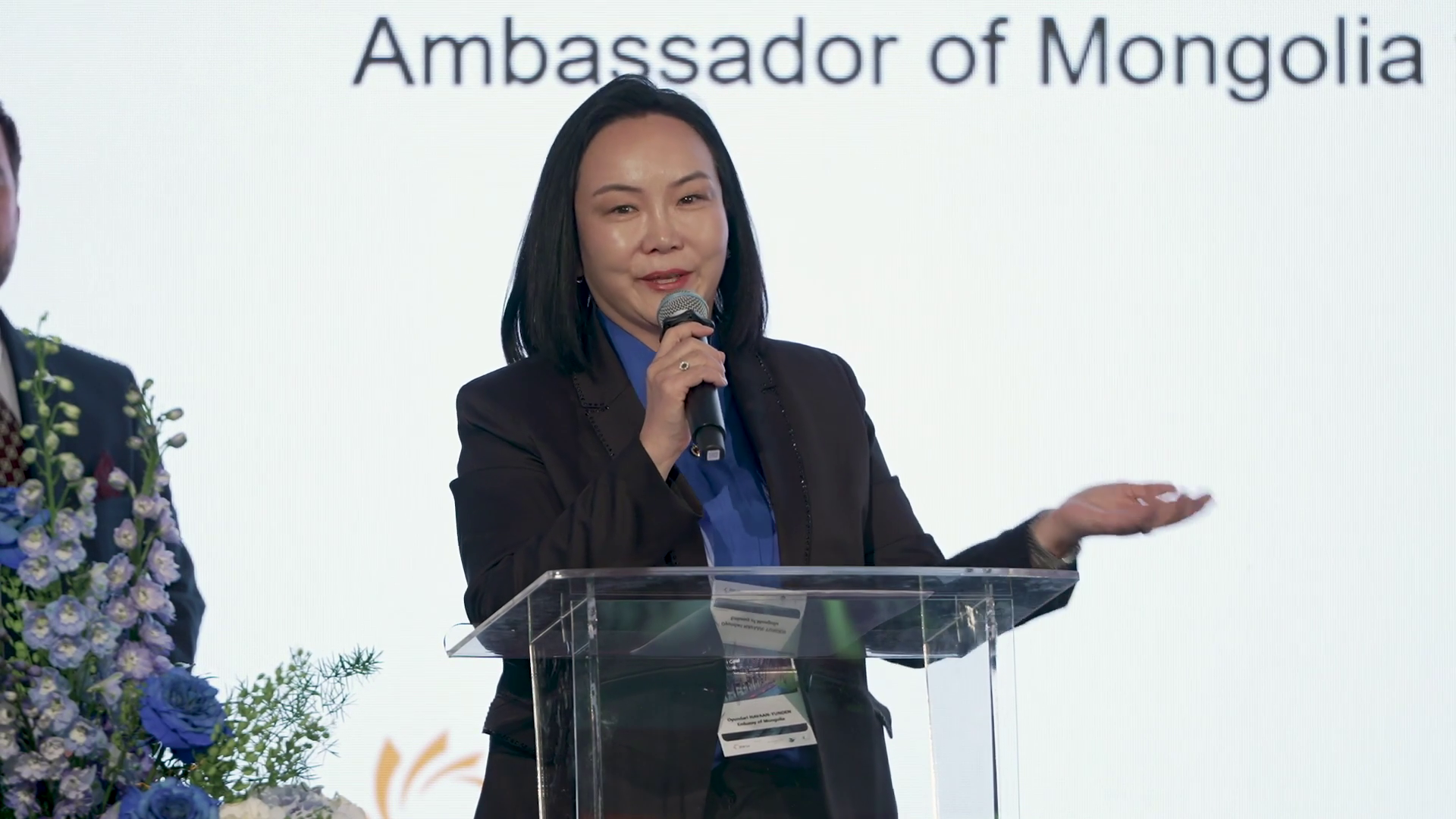
Her Excellency Navaan-Yundengiin Oyundari, Ambassador of Mongolia to Poland, spoke about her country’s rich coal resources, extending across one-third of its territory with good potential for thermal and metallurgical coal projects. She was pleased that the Mongolian Coal Association was working with partners in the EU on projects to use mine waste streams in economic and sustainable ways. She welcomed such co-operation whether on scientific research or the exploitation of resources. Ambassador Navaan-Yundengiin explained the importance of mineral resources to the Mongolian economy, notably exports of coking coal to China, and was pleased to have learnt more about mining during this conference and an earlier one on raw materials in Kraków. She believed that co-operation should extend beyond the coal enrichment that Mongolia had already adopted and referred here to the comprehensive partnership agreement which was strengthened during the state visit of President Ukhnaagiin Khürelsükh to Poland in mid-March 2025. With hundreds of years of mining experience in Poland, and close cultural ties, she believed Mongolia had much to learn as it moves from opencast exploitation to more underground mining. Finally, she invited the European Commission to support such activities and invited everyone to join forces at the 17th Conference of the Parties (COP17) of the UN Convention to Combat Desertification (UNCCD) that will take place in Ulan Bataar in 2026.
GI-mine – “Sustainable and intelligent mine waste management towards Green Deal economy pilot and demonstration project GI-mine (Green and Intelligent mine)”

The GI-mine project was presented by Marcin Głodniok, Central Mining Institute (GIG-PIB), who began by showing a short video that explained how mine waste and municipal bio-waste could be processed into a high-value soil substitute, namely artificial or synthetic soil. GI-mine, he explained, was demonstrating this process at a pilot scale, using coal mine methane for process heat and thus linking three waste streams to minimise environmental impacts and maximise circularity. The soil can be used in urban farming, he said, and greenhouses heated using mine methane. For that reason, the project must precisely forecast the methane availability from mines operated by PGG to optimise its future use. The project not only develops the technologies, but also engages with all those stakeholders who can benefit, including a partner in Mongolia. A training programme and commercialisation plans will also be developed. For the future, he anticipated that a full-scale installation for the production of artificial soils could be supported under a RFCS big-ticket call with further research on urban farming supported under the RFCS annual calls.
From “RECOVERY of degraded and transformed ecosystems in coal mining-affected areas” to “Leveraging the competitive advantages of end-of-life underground coal mines to maximise the creation of green and quality jobs”
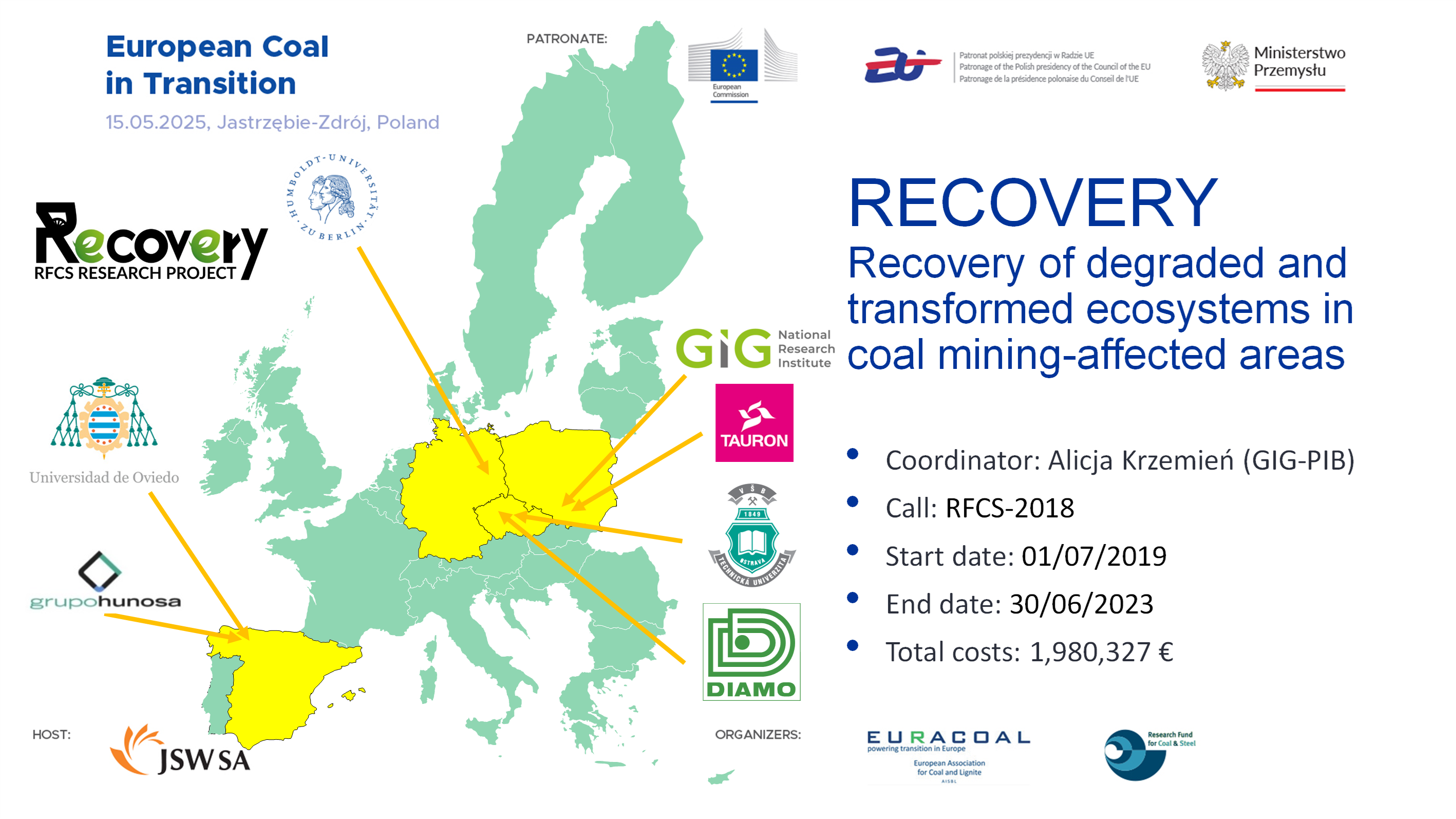
Prof. Pedro Riesgo Fernández of the University of Oviedo presented two projects: RECOVERY and GreenJOBS, the former completed with Południowy Koncern Węglowy S.A. (PKW, ex Tauron) and the latter still ongoing with Węglokoks Kraj S.A. The RECOVERY project developed a robust framework for land rehabilitation and ecological restoration of former mining sites to provide information on how these can be carried out using cost-effective and sustainable methods. Notably, a novel valuation methodology was developed to select the most effective restoration techniques, valuing ecosystem services based on the carbon price under the EU Emissions Trading System.

A journey illustrated with photographs followed the restoration of waste heaps using the artificial soils developed and tested during the project – seven waste streams were assessed and mixed to form an ideal soil. The results presented by Prof. Riesgo were impressive, with lush meadows growing on a previously bare and eroded waste heap at the PKW Janina mine in Libiąż which covers 80 hectares and reaches a height of 35 metres.

Turning to the GreenJOBS project, Prof. Riesgo began by noting the lack of guidance available for coal mining companies seeking alternative economic activities when planning a mine closure. The project aimed to fill this void by assessing the competitive advantages linked with former mine sites, e.g. water, grid connections, large areas of waste heaps, deep shafts and galleries, geothermal energy, and waste coal fines. The challenge was to identify how these could support new economic activities. Business plans and training programmes for former mineworkers have been developed under the project, he continued, notably a virtual power plant using locally produced energy and a green hydrogen plant. He assured participants that the business plans were very real, with some projects already under construction. He added that a business plan for an unconventional hydro project had been developed using a dense fluid which would triple the capacity of any given pumped storage project. Two patents have been granted to project partners for this technology. He concluded with a short video that showcased all the potential business opportunities.
TRIM4Post – “Transition Information Modelling for transition from coal exploitation to a re-vitalised post-mining land”

Prof. Dr.-Ing. Jörg Benndorf of TU Bergakademie Freiberg presented the TRIM4Post-Mining project which tackled the transition of lignite areas after mining has ended. The project was completed in 2023, so he was able to fully report results. Precise mapping of mine sites and land deformation or settlement using sonic core drilling and core scanning, along with the chemical characterisation of dumped materials, allowed the project partners to present large data sets in visually engaging ways to improve post-mining decision making and so reduce geotechnical and geochemical risks while maximising the opportunities for future economic development and creating safe and attractive landscapes. An aim of the project was to capture all the information available and communicate this to stakeholders in a meaningful format via a geo-information portal. It was the combination of multi-sensor monitoring and predictive modelling which made the project unique, explained Prof. Benndorf. A joint venture with Royal Eijkelkamp will see the project’s results exploited more widely, he concluded, while TU Bergakademie Freiberg is co-operating with others on further scientific developments.
Panel discussion on industrial transition
Sebastiano Fumero, Head of Unit for Future Low Emission Industries at the European Research Executive Agency, led a panel discussion on the repurposing of closed coal mines – on what has been achieved so far, and on what still needs to be done. Panellists explored the impacts on jobs and the ambitions for new, green jobs. Mr. Fumero began by setting the scene, including the inevitable phase-out of coal for power generation before 2050. The European Commission, he continued, wanted to know more about how the repurposing of coal-related assets can help with a positive transition that meets the needs of mineworkers and others in the coal industry.
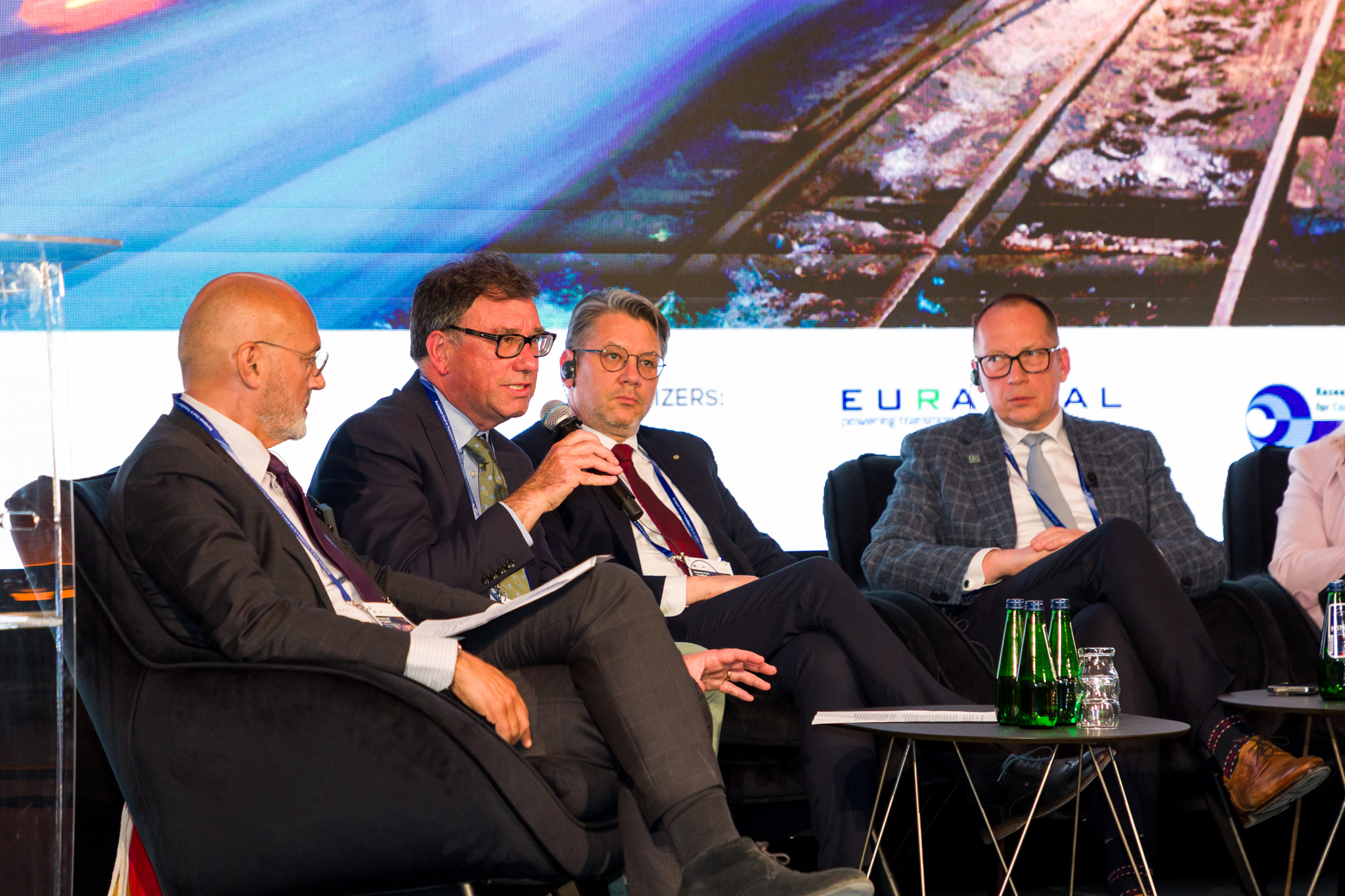
Robert Pollock, Senior Advisor to the EU Coal Regions in Transition Initiative, shared his experience of working with the coal regions with the support of the European Commission. For six years, his team has been delivering technical assistance on economic diversification and energy transition, including two programmes in Silesia. He identified several key elements of a successful transition strategy. There were no universal solutions, he said, as each coal region was different and unique. Silesia, for example, is a densely populated region with a diverse economy whereas other coal regions can be rural and mono industrial. Socio-economic analyses must identify each region’s unique challenges and opportunities, he continued, and there must be an understanding that transition takes time. Limburg in Belgium may have closed its last mine in the 1980s, but he argued the region was still going through a period of transition, similarly in Lausitz where the tourist industry had developed over decades around the man-made lakes. The three stages of transition should include, he advised, immediate mitigation measures such as early retirements and unemployment benefits, capacity building and step-change projects leading to an economic transformation that builds on the assets of a region. For the coal regions, he said the greatest asset was the skills of those working in mines, power plants and steelworks. He was concerned that these skills could easily disappear and hence building bridges to new job opportunities was crucial, he suggested, warning that the UK had failed on this front, leaving coal regions economically depressed. Alignment of national, regional and local governance, development strategies, communications and stakeholder engagement were prerequisites for building the capacity to invest public funds for successful outcomes, he concluded.
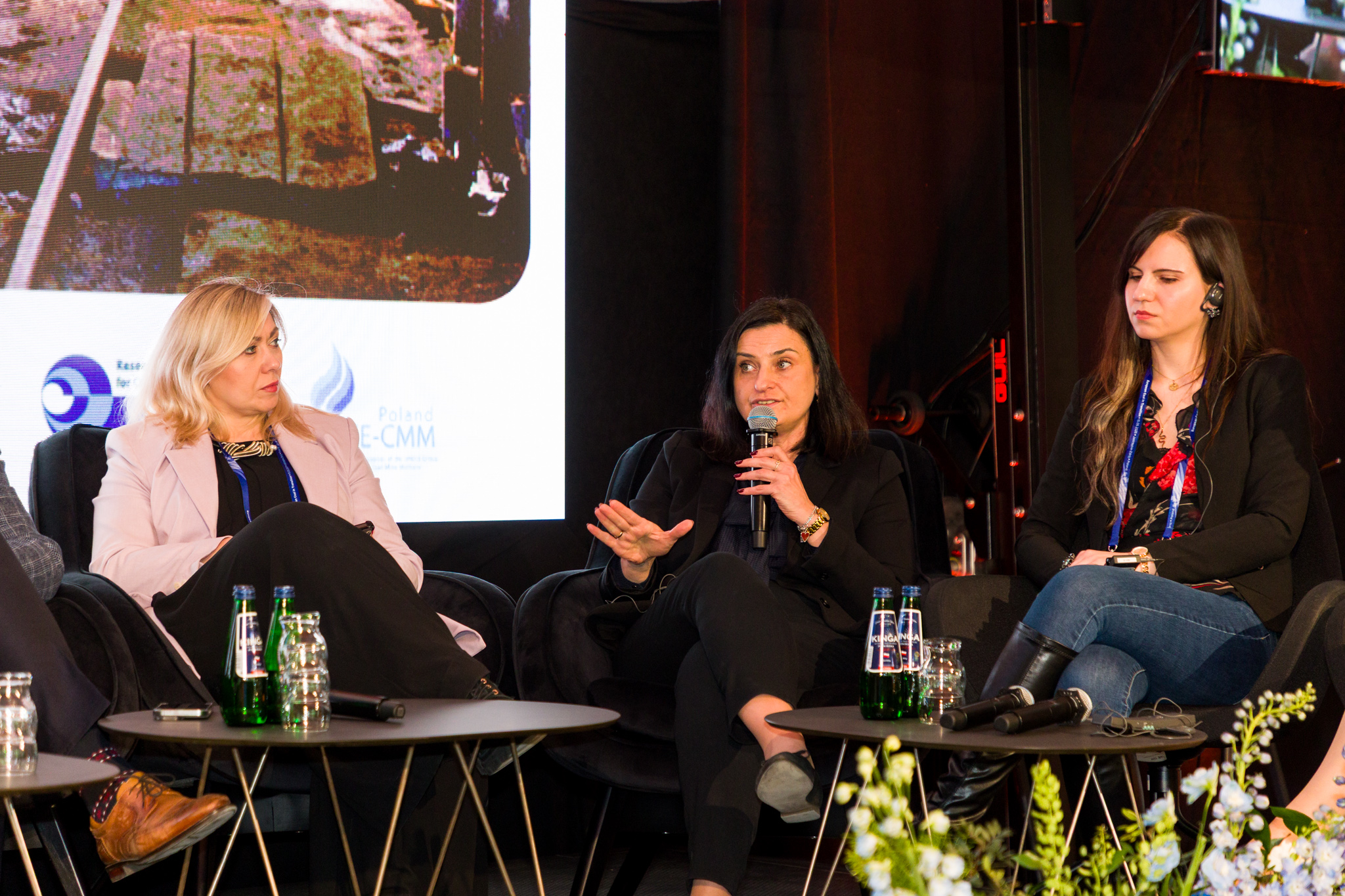
Małgorzata Staś, Director of the Department of Development and Regional Transformation at the Marshal’s Office of the Silesian Voivodeship, agreed that the coal regions were different, even within the sub-regions of Silesia. For example, Gliwice has a strong scientific and industrial base whereas Bielsko or Rybnik in the Odra River basin were more tourist oriented. She spoke positively about the Just Transition Fund allocation of €2.2 billion for Silesia, noting how the region’s strategy was very broad with thousands of projects and no focus on particular sectors. She noted that the Carbonarium itself was the result of an EU-funded project. Working from the bottom up with top-level direction had been successful, leading to the cultural quarter of Katowice (2007-2013) and now a scientific quarter. She hoped that such EU support would continue in the future. Mr. Fumero was pleased to hear of such good results and asked Grzegorz Sikorski, Director of the Silesian Voivodeship Labour Office in Katowice, about his role in assisting workers during transition. He remarked that Poland had the lowest unemployment rate, with Silesia itself enjoying the lowest rate in Poland after the Greater Poland region with 2 million people in active employment across diverse activities at the many large and small companies. He was comforted that the loss of jobs in the mining sector was happening steadily and not suddenly which meant that the financial and training support offered could be tailored to ensure workers were directed towards new jobs. As older workers have left the job market through early retirements, employers have had to seek out younger workers and retain them with attractive conditions, he added. Mr. Sikorski concluded that public funds had helped to set up new businesses, but unfortunately, mining companies were not allowed to use this route when they themselves wished to diversify.
Jarosław Wieszołek, President of the Board at Spółka Restrukturyzacji Kopalń S.A. (SRK), explained that his company prepares the ground before jobs are lost at the mines it is responsible for closing. It works with other industries, for example the wind industry, to retrain mineworkers who already have many of the skills needed to erect and commission new wind turbines. In Poland, EDF Energies had been a partner and was able to offer good opportunities. He also spoke about the traditions of the coal industry which were not replicated in modern workplaces. SRK worked to redevelop its sites through a tendering process whereby new businesses could establish themselves on favourable terms, some benefiting from the support available from the Just Transition Fund. New technologies, the gaming industry, energy companies, logistics hubs and others had all been attracted to sites redeveloped by SRK, he said. With more land becoming available, he was confident that more business parks could be developed for those seeking to exploit new technologies in Silesia. Working with PGG and after public consultation, SRK has identified sites for energy generation using solar PV in the Gliwice region. Similarly, SRK was working with JSW KOKS S.A. on an intermodal logistics hub for motor vehicles. All these create new job opportunities, he concluded.
Magdalena Chawuła, Programme Director – People, Cities, Regions at the Warsaw-based Forum Energii, offered her views on the policy aspects of the transition and how to handle what she called “soft issues”. These relate to the social acceptance of any change. For the mining industry, work merges with community life, she noted – the two become inseparable, so change can be overwhelming. Ms. Chawuła considered it important to undertake research on behavioural psychology in the mining communities, especially given the backlash against the green transition seen in recent elections. It was essential, she said, to communicate with the communities affected as mines close to create a sense of security and build support for change within communities, rather than imposing it from the top down. Mr. Fumero agreed, noting that some Welsh valleys still suffered many decades after mines closed.
Addressing this very issue, Julia Haske, Head of Department – Land Use & Transition in the Research Center of Post-Mining at the University of Applied Sciences Georg Agricola (THGA) in Bochum, presented the RAISING project on “Raising awareness of small local communities in the process of coal mining transition”. A two-year accompanying measure funded by the RFCS, the project involved partners close to the mining communities affected by transition. It will build a framework to improve stakeholder engagement and involvement in the transformation process and propose new visions for the development of coal mining regions. An important aspect of the project, she added, would be the collection and collation of socio-economic data to inform decision making.
A second, interesting and important new RFCS project was presented by Barbara Rogosz, Acting Director of the Poltegor Institute. “From Coal to Farm” (COFA) aims to show that land previously degraded by mining can be used for new agricultural purposes and “carbon farming”. She said that information and data on soil restoration and cultivation techniques for different crops, including energy crops, would be pooled into a comprehensive toolkit to support agriculture and carbon sequestration. Among the three sites for pilot demonstration will be the Sieniawa opencast lignite mine in western Poland, as well as sites in the Czech Republic and Greece, she concluded.
The moderator invited panellists to offer just one suggestion that national governments could make on the priorities for the next EU multi-annual financial framework. Ms. Rogosz called for greater engagement with local stakeholders. Ms. Haske also saw meaningful participation as the route to sustainable economic development. Małgorzata Staś could not pinpoint a single suggestion but called for bottom-up transformation strategies with incentives to develop brownfield sites. She remarked that public money was insufficient to fund all the good projects in Silesia, so she wanted to see better leverage to bring in other sources of finance. Ms. Chawuła wanted the Commission to put more effort into addressing the concerns of vulnerable citizens, not just those who have to change jobs, but others who may have to change their home heating systems, for example. A continuation of the Just Transition Fund to complement the Social Climate Fund would be necessary, she suggested. Jarosław Wieszołek of SRK said that good dialogue with local governments was key which, in Poland, had been the case for decades. This dialogue could shape the development of post-mining areas in the direction that people want, whether that be new industry, tourism, or restoring nature. He noted SRK’s new logo evoked this renewal process, such as the creation of Lake Tarnobrzeg in southeastern Poland on the site of a former sulphur mine. Mr. Sikorski of the Silesian Voivodeship Labour Office supported a Just Transition Fund 2.0 and 3.0 because the negative effects of mine closures will continue for some time to come. Mr. Pollock agreed that long-term support was needed, referring also to other initiatives such as the Clean Industrial Deal and EU defence policy, where public and private investments can make a difference in those mining regions where these are prioritised. Mr. Fumero summarised the responses and promised that the Commission would take note and ensure the messages from the conference were communicated upwards to the President herself. He thanked the panellists and presented each with a small gift promoting the EU Research Enquiry Service.
Future opportunities, conclusions and closing remarks
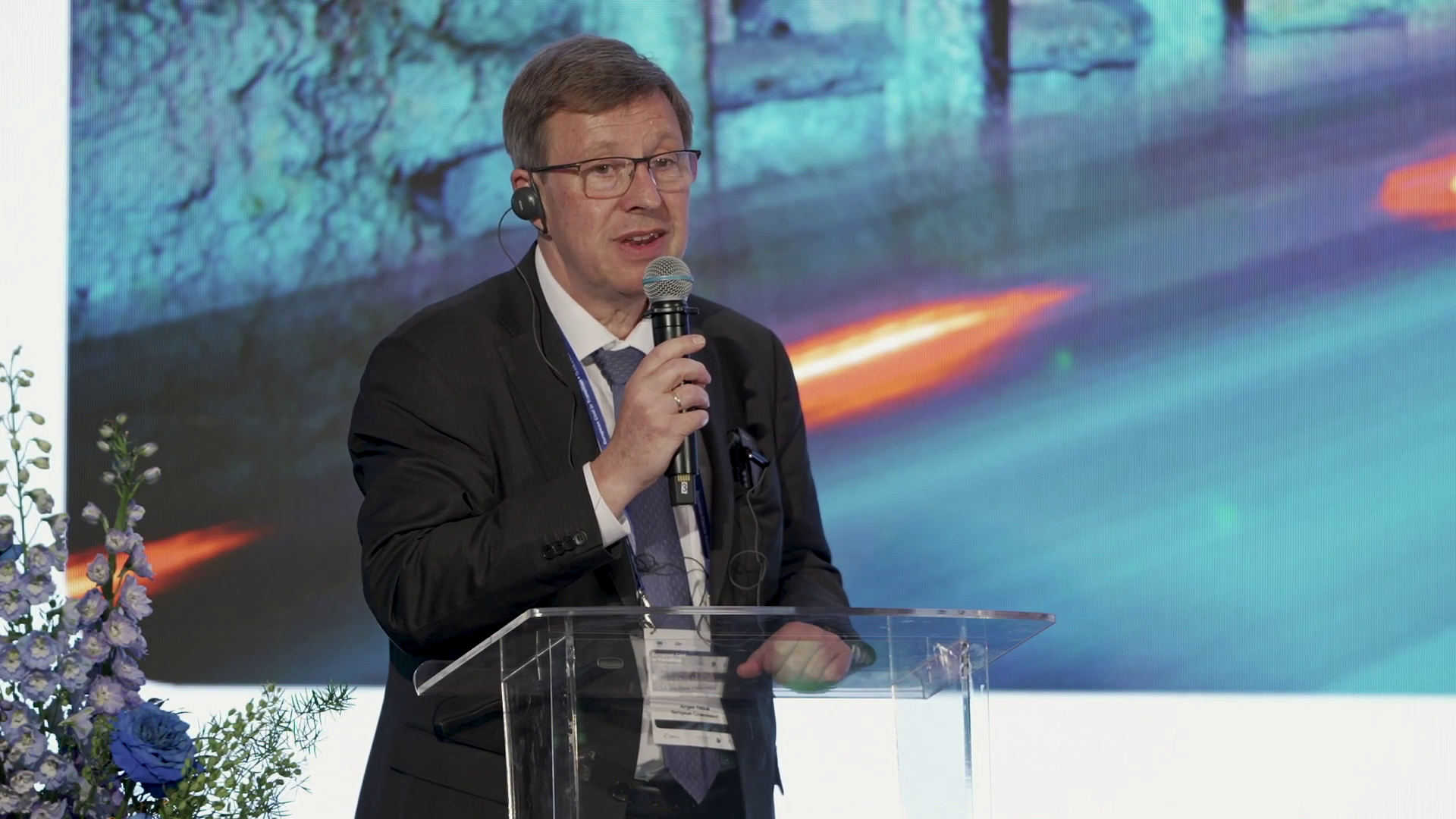
In the final session of the conference, Mr. Jürgen Tiedje, Head of Unit for Industrial Transformation at the European Commission DG Research & Innovation, spoke on the next steps for the RFCS research programme following the announcement by the European Commission on 19 March of its intention to reform the programme (ref. European Steel and Metals Action Plan). This, he explained, meant that a legislative proposal would be made to member states and the European Parliament. Already, consultations were taking place, he said, with the RFCS Coal Advisory Group on 11 May and an upcoming meeting with EURACOAL on 11 June. Although appreciating the many excellent projects presented at the conference, Mr. Tiedje was concerned about the visibility of the standalone fund and how to ensure more proposals were submitted for ambitious projects. A simpler structure could help, but DG RTD would need to examine all options, he concluded.
Turning to the conference, he thanked the organisers for a very impressive day with an excellent debate among top experts on methane and the challenges of implementing the Methane Regulation. The open discussion on transition was encouraging, he said, and gave Commission officials better insights into how the coal industry and coal regions were adapting as the world moves forward. He reflected that the RFCS also needed to incorporate new ideas to make it fit for the future, building on the good European co-operation evidenced at the conference.

Sebastiano Fumero, Head of Unit for Future Low Emission Industries at the European Research Executive Agency, thanked JSW for hosting such a splendid and well-run event at the Carbonarium. He recalled that when REA was delegated to manage the RFCS research programme in 2021, he had wanted to see more dissemination events. In 2024, he had been pleased that steel-related projects were presented at an event in Venice and coal-related ones in Oviedo. The conference in Jastrzębie-Zdrój exceeded his expectations with high-level participation from all those with an interest in RFCS projects and the topical issues covered. He especially thanked Alicja Krzemień, Brian Ricketts and Andreas Jenet from REA who had together spent the previous months preparing the event, as well as the professional master of ceremonies, Marcin Madzia.
Earlier, the Director of REA, Marc Tachelet, had outlined the coal-related portfolio comprises thirty projects (2021-2024) funded with a RFCS budget of €80 million, focusing on areas such as repurposing former coal mines and related infrastructure, reusing materials and waste, developing alternative materials, monitoring and restoring land, processing methane emissions, and managing mine water. Mr. Fumero reminded participants about the RFCS Annual Call 2025 and the Big-Ticket Call 2026 which offered project proposers a lot of opportunities to secure funding for groundbreaking research and development projects at different TRL levels. He encouraged the submission of project proposals.

Brian Ricketts of EURACOAL concluded the event, thanking all those who had presented and others who had worked behind the scenes, noting especially the generous support of Minister Czarnecka. He explained JSW’s publicity material based on the infinite possibilities of using steel to make things, the potential to infinitely recycle steel, and the essentially infinite supplies of coking coal available underground in Silesia for steelmaking. He added that the RFCS has infinite possibilities for the future to build on the coal industry legend. The EURACOAL President, Alicja Krzemień, added her vote of thanks to JSW and the team who had worked hard on the event to attract the very best speakers and panellists.
Underground visit to JSW Knurów coking coal mine
Following the conference, on 16 May, representatives from EURACOAL, the European Research Executive Agency, the Ambassador of Mongolia to Poland and her accompanying diplomatic corps visited the Knurów coking coal mine. During the visit, they experience at first hand the specificities of Polish hard coal mining and the techniques used to manage mine methane underground, transport it to the surface and use it to generate heat and power in a climate-friendly and safe manner.

 powering transition in Europe