
Exploiting natural resources creates jobs and adds to economic wealth. Coal is the EU’s most abundant energy resource. In these times of economic recovery, we can look forward to a transition fuelled by coal, not dirty old coal of the past, but with modern clean coal technologies fit for the 21st century and in use today in Europe.
Clean energy: since 1990, coal-related CO2 emissions have decreased by almost 60% across the EU. Emissions of sulphur dioxide from electricity and heat production and from iron and steel making have fallen by 96%, while NOx emissions have fallen by 77% and dust by 92%.
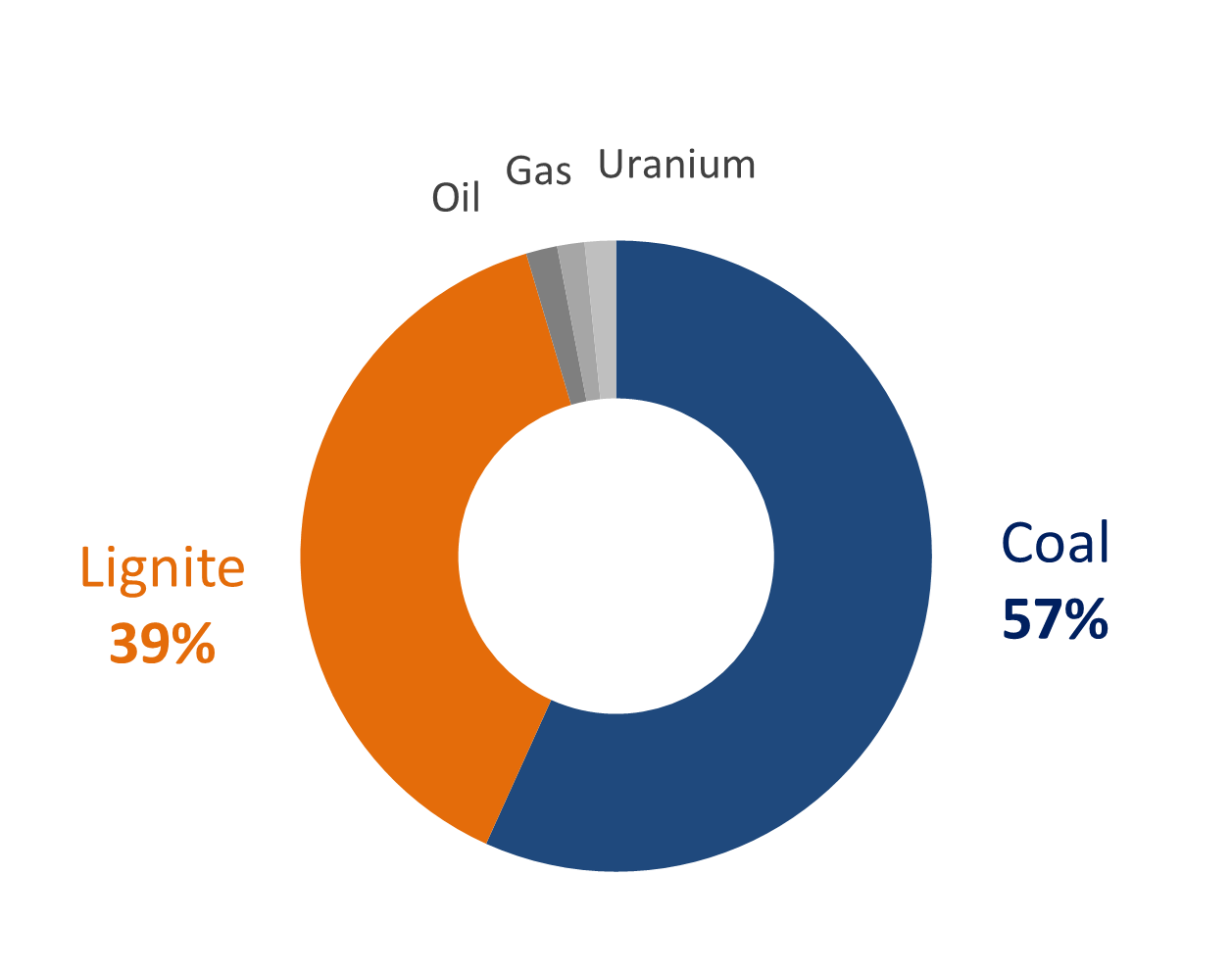
Abundant, affordable and available: in the EU, 96% of our non-renewable energy reserves lie in coal beds.
Competitive energy: without inter-fuel competition from coal, we would be faced with much higher prices for industrial and residential electricity.
Base-load power generation: to cover periods of zero output from renewables – such as windless, midwinter nights or Dunkelflaute – coal and other conventional fuels will be needed for many years to come.
Flexible energy: during the energy transition, coal- and gas-fired power plants are equally capable of balancing the intermittent output from wind turbines and solar PV panels to fill any gaps in supply.
Quality jobs and wealth creation: coal is a large and mature industry that employs nearly 300 000 people in well-paid jobs across the greater Europe including the Balkans, Türkiye and Ukraine, and many more jobs at the suppliers of equipment and materials.
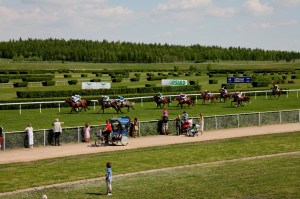
Secure energy: in 2022, the EU spent €604 billion on energy imports – 4.3% of GDP – a burden that indigenous coal reduces.
Sustainable energy: by embracing new technologies such as CCS, coal and other energy sources have a bright future – all will be needed to meet the forecast growth in demand.
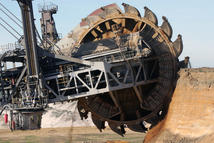 The global energy supply of the 21st century is more than ever shaped by coal. Almost all emerging economies trust in coal as a safe, reliable, affordable and sustainable basis for their development.
According to estimates of the International Energy Agency (IEA), coal will have the same importance as oil for the world-wide supply of energy until 2030.
On a global scale, coal is No.1 for power generation with substantial potential for further technological development and cost-effective climate protection.
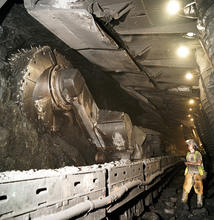 Carbon capture and storage (CCS) is important for international climate protection policies; it is expected to deliver 15% of GHG reductions to reach net-zero by 2070. The EU Carbon Management Strategy foresees the capture of 280 MtCO2/year by 2040 and around 450 MtCO2/year by 2050.
 An efficient and affordable CO2 network at the European level is needed and the EU should actively promote the creation of CO2 transport and storage infrastructure.
EURACOAL highlights the following four priorities:
- a rational EU energy policy that values a diversified energy mix, including a role for coal during the energy transition;
- rewards for flexible coal-fired power plants that can stabilise a power system based increasingly on renewable energy sources;
- preserving the coal value chain during a just transition;
- the successful demonstration of CCS.
 powering transition in Europe